
Introduction
Ask any community manager in the UAE what their biggest daily challenge is, and the answer is rarely surprising: too much going on, not enough visibility, and residents who expect fast answers that are often impossible to give with the tools currently in use.
Owners Associations managing hundreds of units across gated communities, high-rise towers, or mixed-use developments have long relied on phone calls for maintenance, emails for announcements, and spreadsheets for service charges. This approach creates delays, miscommunication, financial blind spots, and ultimately, dissatisfied residents.
Community Management Software changes this equation entirely. By consolidating every operation - financial, administrative, and resident-facing - onto one connected digital platform, it replaces operational chaos with clarity and reactive management with proactive service.
At RealCube, we built our community management platform specifically for UAE residential communities. This blog explores how the right digital platform transforms not just how a community is managed, but how it feels to live in one.
| USD 7.68B UAE property management market by 2030* | 12.3% Annual market CAGR 2024-2030* | 62% Dubai rental contract renewal rate (2025)* |
UAE Market Perspective: Why This Matters Right Now
A market in motion demands management that moves with it.
Dubai recorded over 530,000 rental contracts in 2025, with 62% of those being renewals*. Tenant retention is no longer a nice outcome - it is the primary performance metric for residential communities. Residents who stay are residents who are satisfied, and satisfaction in today's UAE market is defined by responsiveness, transparency, and digital convenience.
The UAE property and community management market - valued at USD 3.42 billion in 2023 - is projected to reach USD 7.68 billion by 2030, growing at a CAGR of 12.3%. This growth is not simply about more buildings. It reflects rising expectations from residents who manage their banking, healthcare, and government services digitally and expect their community to work the same way.
In this environment, community management software is no longer an optional upgrade. It is the operational infrastructure that modern residential communities run on. Communities that still rely on manual workflows are not just inefficient - they are at a competitive disadvantage in a market where residents have more choices than ever.
The Real Cost of Manual Community Management
Before exploring solutions, it helps to understand exactly what fragmented, manual community management looks like in practice - and why it drives residents and managers to frustration.
01-Communication That Falls Through the Cracks
When announcements go out over group chats and maintenance updates happen over phone calls, important information gets lost. Residents miss payment deadlines, managers field repeat complaints, and trust in the management team slowly erodes.
02-Service Requests That Vanish Into the Void
A resident reports a broken elevator via WhatsApp. No ticket is raised, no SLA is tracked, and two days pass. The resident follows up. The manager apologises. This cycle repeats, and every repetition damages the relationship between residents and the OA.
03-Financial Opacity That Breeds Distrust
Without real-time billing systems, service charge reconciliation becomes a monthly struggle. Residents question invoices, collections are tracked on spreadsheets, and cash flow gaps appear without warning. Financial transparency is the foundation of OA credibility - and manual systems undermine it.
04-No Operational Visibility for Decision-Makers
Without dashboards and reporting tools, managers cannot see which units have open requests, which amenities are underutilised, or where staff time is being wasted. Decisions are made on gut instinct rather than data, and performance gaps go unaddressed.
05-Disengaged Residents and Declining Satisfaction
When residents feel like passive occupants - no community events, no easy way to report issues or book amenities, no sense of belonging - satisfaction drops. And in a market where renewal rates drive occupancy performance, declining satisfaction has a direct financial cost.
How RealCube Solves It: One Unified Platform
RealCube's Community Management Software is built as a cloud-native platform that connects community managers, residents, OA boards, and facility service providers through a single, intelligent ecosystem. Rather than juggling separate tools for billing, maintenance, communication, and engagement, every stakeholder operates from one unified environment.
The Connected Resident Journey
From move-in to move-out, every resident touchpoint is digitised and trackable:
• Move-In: Digital onboarding ensures documentation and payments are cleared before access is granted.
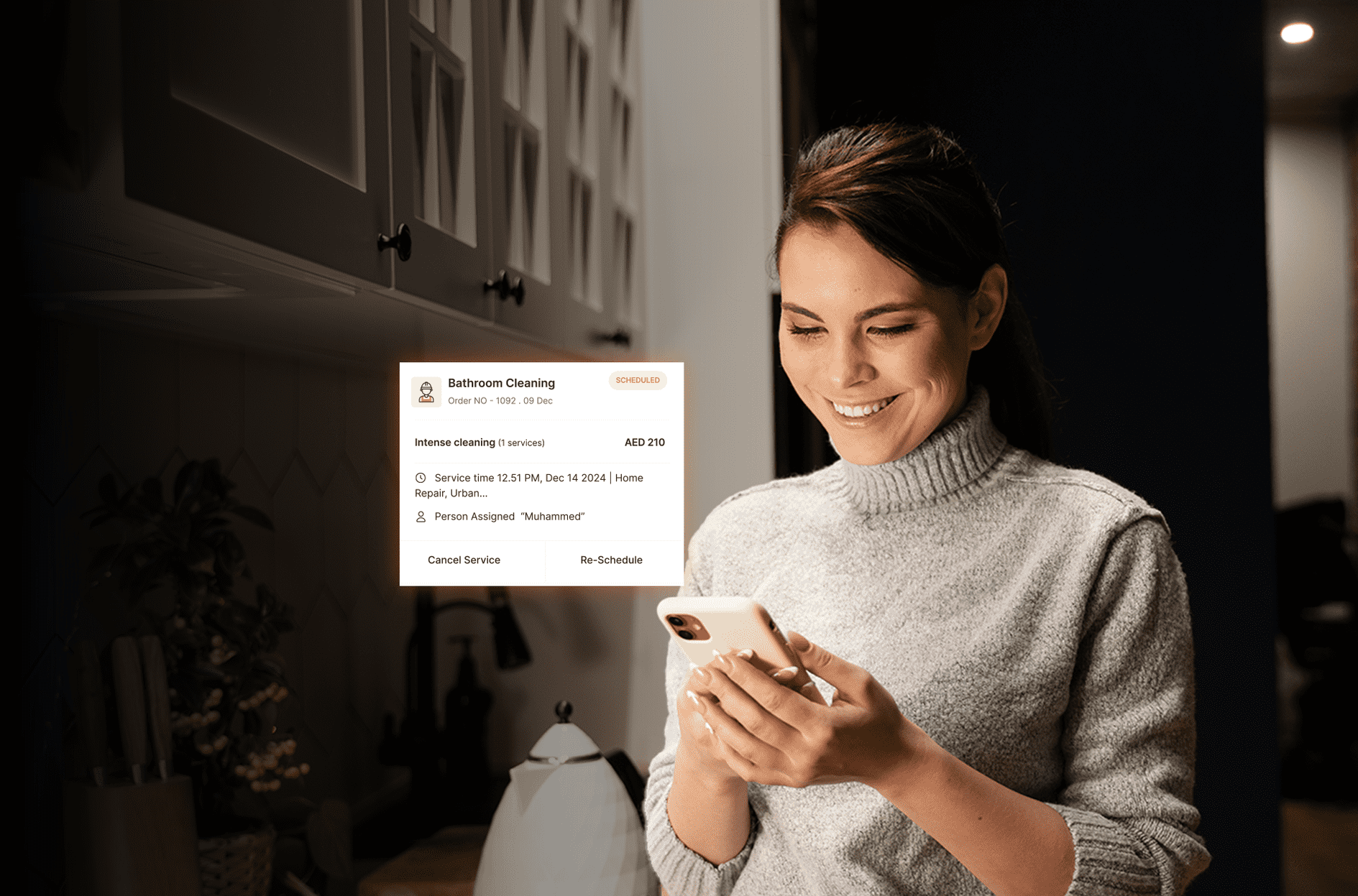
• Daily Living: Residents pay service charges, book amenities, and register visitors - all from a mobile app.
• Maintenance: Issues are raised digitally, routed to FM teams, and tracked to closure with real-time status updates.
• Community: Residents engage through polls, announcements, and events - turning passive occupants into active community members.
• Move-Out: Automated exit permits and final settlements ensure a smooth, dispute-free transition.
On the management side, every request is tracked, every SLA is visible, and every financial transaction is documented. Community managers shift from firefighting to managing by exception - the system surfaces what needs attention so teams can focus on resolution rather than detection. For OA boards, ERP-integrated financial reporting means complete visibility into collections, expenditure, and community health - anytime, from any device.
Key Features of RealCube Community Management
| Feature | What It Does for Your Community |
| Service Request Management | Residents raise, track, and close requests digitally; managers get SLA dashboards and automated action alerts. |
| Unified Notifications Engine | SMS, email, and push notifications keep every stakeholder informed in real time - no more missed announcements. |
| Mobile Resident App | Payments, amenity bookings, maintenance requests, and visitor access - all manageable from a smartphone. |
| Service Charge Billing | Automated billing cycles, real-time collection tracking, and owner-specific statements keep finances transparent. |
| Amenity & Event Booking | Digital booking for pools, courts, event spaces, fitness classes, and community activities reduces disputes. |
| Move-In / Move-Out Workflows | Digital permits, document collection, and automated settlement management ensure smooth resident transitions. |
| Community Wall & Polls | Resident forums, announcements, and structured surveys build engagement and inform data-driven OA decisions. |
| NOVA AI Analytics | Smart workflow automation and real-time reporting give managers the insights needed for proactive operations. |
Measurable Outcomes: What Operational Efficiency Looks Like
The improvements from well-implemented digital community management are not abstract - they show up in real operational data and resident satisfaction scores:
| Faster Service request resolution vs. manual processes | Higher Tenant renewal rates in digitally managed communities | Real-Time Financial visibility for OA boards and managers | Measurable SLA compliance with every request timestamped |
Communities adopting unified digital platforms consistently report reduced staff hours spent on administrative follow-ups, fewer resident complaints about communication gaps, higher amenity utilisation rates, and improved service charge collection timelines. The data tells the story that residents feel: a community that is responsive, transparent, and genuinely well-managed.
Best Practices: Getting the Most from Your Platform
Software alone does not transform a community - implementation quality and ongoing practice determine the return. Here are five approaches that consistently drive results:
01-Start with Clean, Complete Data
Ensure unit records, owner and tenant details, and asset inventories are accurate before go-live. The quality of every report, notification, and billing cycle depends on the accuracy of the underlying data. Allocate time for this step - it pays dividends immediately.
02-Make Resident Onboarding a Communication Event
The platform launch is an opportunity, not just a technical change. Walk residents through the app, host a brief demo session, and provide simple how-to guides. Adoption rates determine the operational return - communities that invest in onboarding see faster, broader uptake.
03-Automate the High-Volume Routines First
Focus initial automation on service requests and billing notifications - these deliver the fastest, most visible improvements for both residents and the management team. Once these run reliably, extend automation to move-in workflows, amenity confirmations, and compliance reminders.
04-Review SLA and Performance Data Monthly
Use the platform's reporting dashboards to identify bottlenecks, underperforming service categories, and response time trends. Data is only valuable when someone acts on it. Schedule a monthly review with the FM team to close performance gaps before residents notice them.
05-Use Engagement Tools Proactively, Not Reactively
Do not wait for resident complaints to initiate engagement. Use the Community Wall, polls, and event features to build belonging before issues arise. Communities that run regular digital engagement consistently outperform those that use communication tools only for announcements and maintenance.
Frequently Asked Questions
1Q: What is community management software, and who needs it?
A: Community management software is a digital platform that centralises all operations for residential communities - including financial management, service requests, resident communication, amenity bookings, and access control. It is used by Owners Associations (OAs), community managers, property developers, and facility management teams managing gated communities, high-rise developments, and mixed-use residential projects.
2Q: How does community management software improve the resident experience?
A: It replaces fragmented, slow communication channels with a single, responsive platform where residents can raise service requests, track their status, pay service charges, book amenities, and receive real-time updates - all from a mobile app. The result is faster service, greater transparency, and a stronger sense of community belonging, which directly improves resident satisfaction and renewal rates.
3Q: Can RealCube's platform support RERA compliance and UAE regulatory requirements?
A: Yes. RealCube is built with GCC and UAE regulatory requirements in mind, including configurations aligned with RERA guidelines for OA operations, service charge transparency, and audit-ready financial reporting. The platform supports NOC workflows, document management, and board governance tools that meet local compliance standards.
4Q: Is community management software suitable for smaller communities, or only large developments?
A: RealCube's platform is designed to scale. Whether you are managing a 50-unit townhouse community or a 2,000-unit master-planned development, the modular architecture means you use the features relevant to your size and operational complexity. Smaller communities benefit from automated billing and service request management; larger ones additionally leverage advanced analytics, multi-community dashboards, and ERP integrations.
5Q: How long does implementation take, and will it disrupt existing operations?
A: Implementation timelines vary by community size and complexity, but most RealCube deployments are structured to minimise operational disruption. The process begins with data setup and configuration, followed by team training and a phased resident onboarding. Our implementation team works alongside your management staff throughout, ensuring continuity of service while the new platform is brought online.
Conclusion
Community management is not simply about keeping a building operational. It is about creating an environment where people genuinely enjoy living - where a maintenance request is resolved promptly, service charges are transparent and justified, and neighbours feel connected to a community, not just a postcode.
The gap between what residents expect today and what manual operations can actually deliver is real, measurable, and growing. Community management software bridges that gap by giving managers the tools to work smarter, giving residents the experience they expect, and giving OA boards the financial oversight they need to govern with confidence.
The shift from fragmented manual processes to a unified digital platform is not a future ambition for UAE residential communities - it is happening now, and the communities making that shift are the ones retaining residents, justifying service charges, and building genuine competitive advantage.
RealCube is built to power that shift. If your community is still running on spreadsheets and group chats, it is time to see what unified community management looks and feels like.
CTA
Ready to Build a Smarter, Happier Community?
Talk to our experts and discover how RealCube Community Management Software can transform your residential operations.
*Note(approx-values) : Market statistics and figures cited in this article are sourced from third-party research and industry reports including Grand View Research, Better Homes Annual Data and GCC Real Estate Report. All data should be independently verified before use in formal publications, investor materials, or regulatory submissions. RealCube does not warrant the accuracy of third-party data.