

In the pursuit of sustainable architecture, the goal of achieving Net Zero Buildings—structures that generate as much energy as they consume annually—is becoming increasingly attainable. One of the most transformative advancements driving this progress is the integration of property management technology. By optimizing building operations and enhancing energy efficiency, this technology is playing a crucial role in the journey towards net zero. In this blog, we’ll delve into how integrated property management technology is a game-changer in the quest for Net Zero Buildings, supported by relevant statistics and research findings.
Understanding Integrated Property Management Technology
Integrated property management technology encompasses a range of digital tools and systems designed to streamline and optimize building operations. These systems typically include:
Energy Management Systems (EMS): Tools that monitor and control energy usage in real-time.
Building Management Systems (BMS): Platforms that integrate various building systems (e.g., HVAC, lighting) into a single interface.
Predictive Maintenance Tools: Technologies that use data analytics to predict equipment failures before they occur.
Smart Metering and Sensors: Devices that provide real-time data on energy consumption and environmental conditions.
How Integrated Technology Drives Energy Efficiency
1. Real-Time Energy Monitoring and Optimization
One of the primary benefits of integrated property management technology is its ability to monitor energy use in real-time. According to a study by the U.S. Department of Energy, buildings equipped with advanced energy management systems can achieve energy savings of up to 20% compared to those without such systems. Real-time monitoring allows property managers to identify inefficiencies and adjust operations to reduce energy consumption.
For instance, a study conducted by Johnson Controls revealed that buildings using integrated energy management systems experienced an average reduction in energy consumption of 15%. By providing insights into usage patterns, these systems enable targeted interventions that significantly lower energy bills and carbon footprints.
2. Predictive Maintenance for Increased Efficiency
Predictive maintenance is another crucial component of integrated property management technology. According to a report by McKinsey & Company, predictive maintenance can reduce maintenance costs by 10% to 40% and decrease equipment downtime by 50%. By analyzing data from sensors and historical performance, predictive maintenance systems can forecast when equipment is likely to fail, allowing for timely repairs that prevent energy waste.
For example, a facility management case study from IBM found that implementing predictive maintenance in commercial buildings led to a 30% reduction in maintenance costs and a 20% decrease in energy consumption. This proactive approach ensures that systems operate efficiently, reducing unnecessary energy use and extending the lifespan of equipment.
3. Integration of Renewable Energy Sources
Achieving Net Zero status requires balancing energy consumption with renewable energy production. Integrated property management technology facilitates this by managing and optimizing the use of renewable energy sources such as solar panels and wind turbines. A report from the International Renewable Energy Agency (IRENA) highlights that buildings with integrated renewable energy systems can achieve up to 50% reduction in their carbon footprint.
For instance, the Empire State Building’s retrofit project, which utilized advanced energy management technology, integrated solar panels and energy-efficient systems. This project resulted in a 38% reduction in energy consumption and a 105% increase in energy efficiency, demonstrating the potential of integrated technology in harnessing renewable energy effectively.
4. Data-Driven Decision Making
The integration of various data sources into a unified management platform allows for more informed decision-making. According to a study by Deloitte, 75% of real estate executives believe that data-driven insights are crucial for improving operational efficiency. Integrated property management technology provides comprehensive data analytics that can reveal energy consumption patterns, identify inefficiencies, and track the effectiveness of sustainability initiatives.
For example, the Smart Cities Council found that buildings using integrated analytics tools could reduce energy consumption by an average of 10% to 15%. By leveraging this data, property managers can implement targeted strategies that enhance energy performance and contribute to Net Zero goals.
5. Enhanced User Experience and Sustainability
Sustainability is not just about reducing energy consumption; it also involves improving the quality of the built environment. Integrated property management technology often includes smart building features that enhance occupant comfort and convenience.
For instance, automated lighting and temperature controls can optimize energy use while maintaining a comfortable indoor environment. Research from the U.S. Green Building Council indicates that occupants in buildings with advanced technology features experience improved air quality, lighting, and temperature control, leading to increased productivity and satisfaction. These enhancements align with broader sustainability goals by creating healthier and more efficient living and working spaces.
The Future of Integrated Property Management Technology
The future of integrated property management technology holds even greater promise as advancements continue to emerge. Innovations such as artificial intelligence (AI) and machine learning are expected to further enhance building performance. According to a report by MarketsandMarkets, the AI in building management systems market is projected to grow from $5.5 billion in 2023 to $16.2 billion by 2028, reflecting the increasing adoption of these technologies.
AI-powered systems will enable more sophisticated predictions and automation, further optimizing energy use and operational efficiency. For example, AI algorithms can analyze historical data and environmental conditions to make real-time adjustments to building systems, improving overall performance and contributing to Net Zero goals.
RealCube – The Integrated Property Management Solution
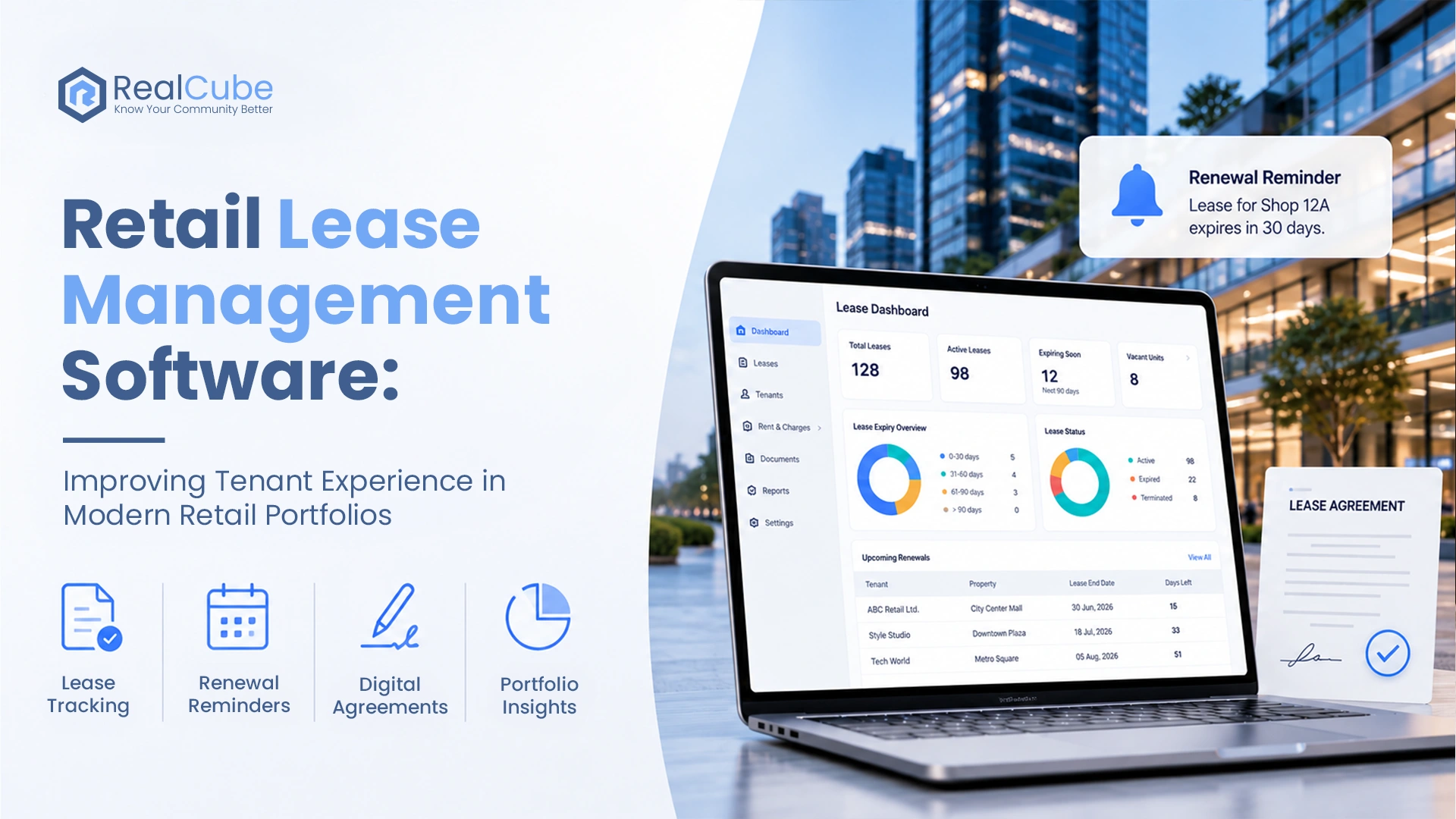
With intuitive dashboards allowing for predictive analysis and risk eradication, smooth account management, lease management, document management and finance management, RealCube is currently the number one integrated real estate solution that is one step closer to creating net-zero communities and buildings. Predictive analysis basis previous reports are entrenched in our features which allow for swifter response time to tenant issues, the ability to avoid community violation or trace and penalize/ avoid them better and faster.
RealCube’s Business Intelligence software delivers accurate and extensive community relative data which allows for strategic decision making. With easy move-in and move-out processes, mobile functions reducing the need for paper-based documentation and online payments, RealCube is steps ahead in ensuring sustainability is at the foundation of the property management suite we offer.
Integrated property management technology is a crucial component in the journey toward achieving Net Zero Buildings. By enhancing energy efficiency, enabling predictive maintenance, integrating renewable energy sources, and facilitating data-driven decision-making, technologies like RealCube play a pivotal role in reducing the environmental impact of buildings. The continued advancement of these systems, supported by innovations in AI and machine learning, promises to drive even greater progress toward a sustainable and energy-efficient future.
For property managers, building owners, and sustainability advocates, embracing RealCube’s integrated property management technology is not just a choice but a necessity. It represents a significant step forward in the quest for Net Zero Buildings and a testament to our commitment to a greener, more sustainable world. Schedule a demo to know more!